Place
The club lived in a distinctive old church space on Baumanskaia, and that setting remains part of how people remember it.
Spartak Circle
A memory page for the former Spartak Baumanskaia wrestling club in Moscow: its coaches, wrestlers, technique culture, church space, and the circle of people who still carry it.
Place Memory
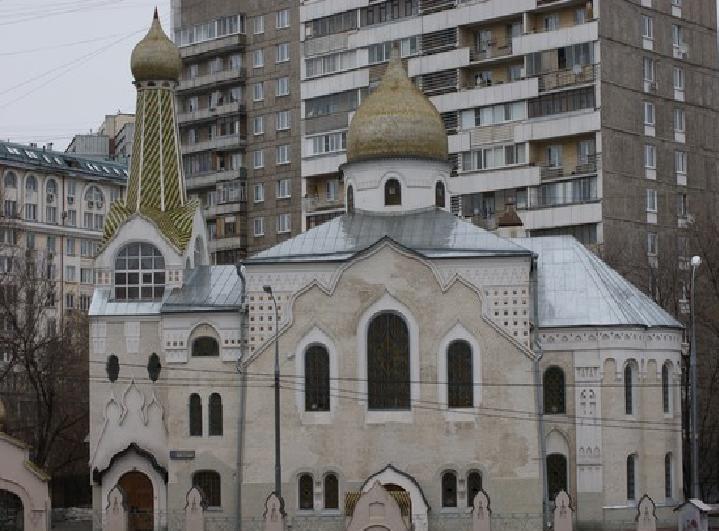
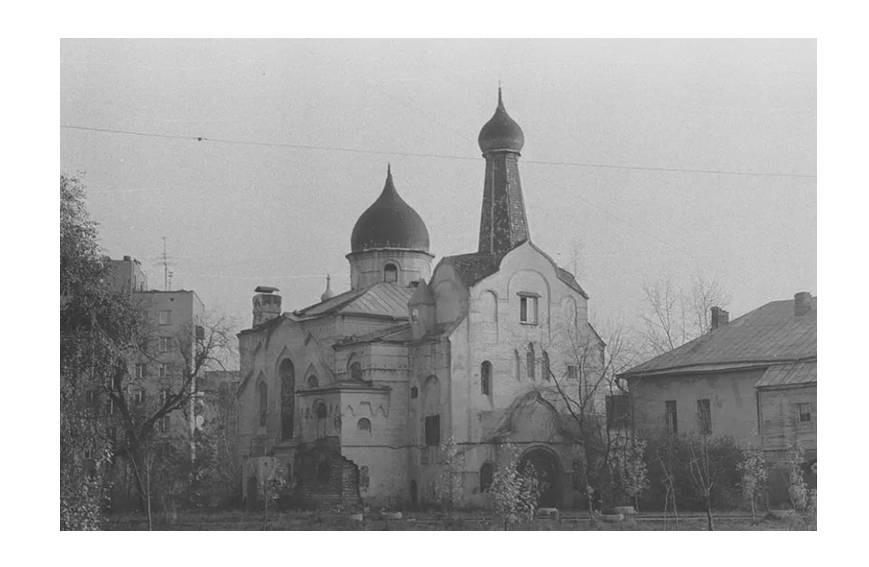
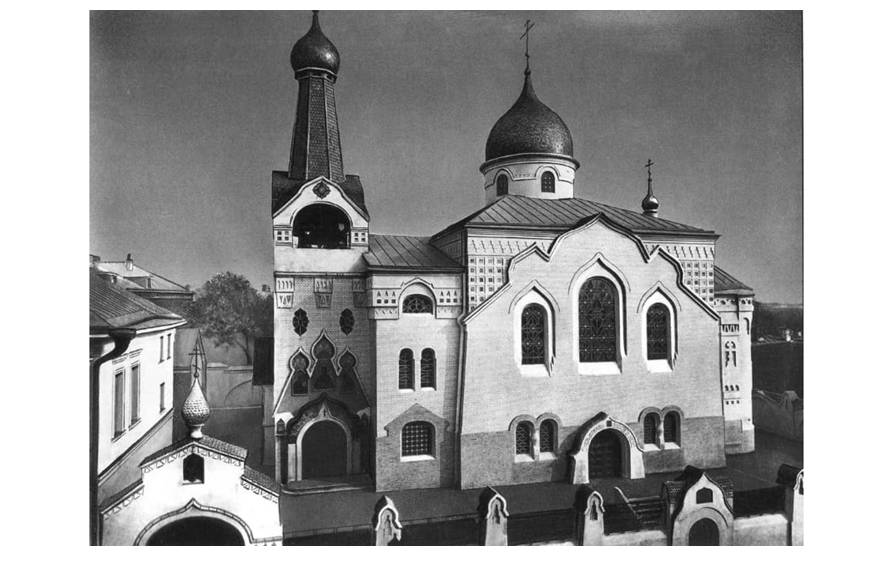
The old church on Baumanskaia is one of the deepest visual memories tied to Spartak.
For many former wrestlers, the place itself is inseparable from the club’s identity.
This was not a generic gym. The architecture became part of the emotional memory of training.
The old Spartak space survives in fragments of architecture, light, and gathering.
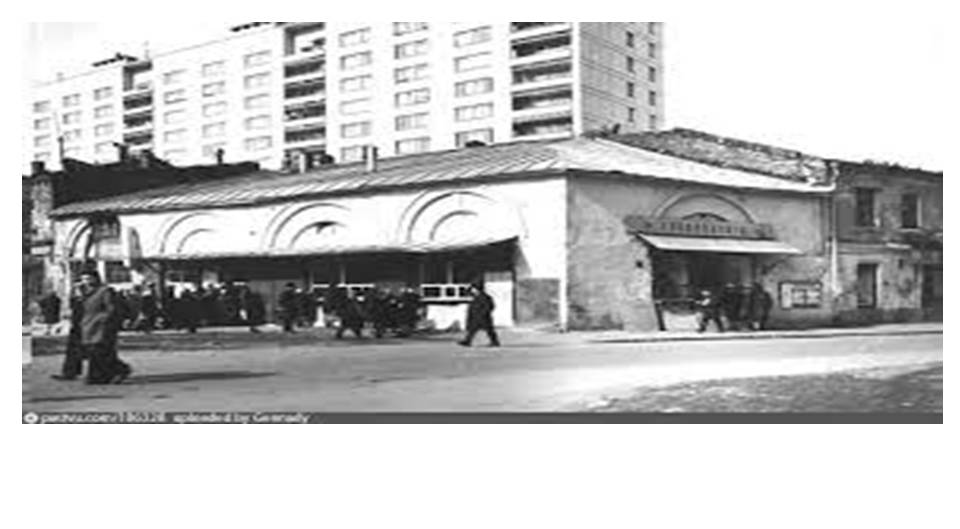
These images are part of the place-memory that many former Spartak wrestlers still carry.
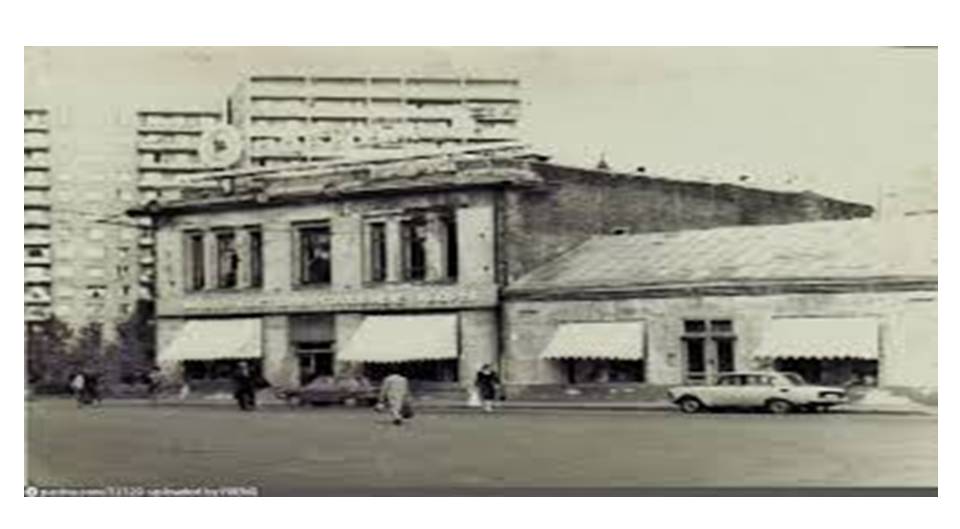
The church was not a neutral shell. It shaped how the club felt.
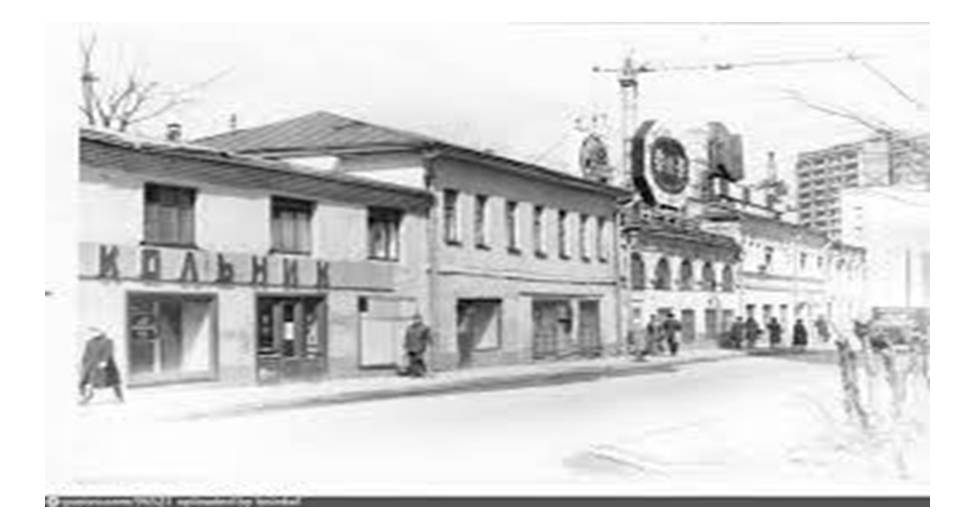
Spartak Baumanskaia was remembered as both a club and a world of its own.
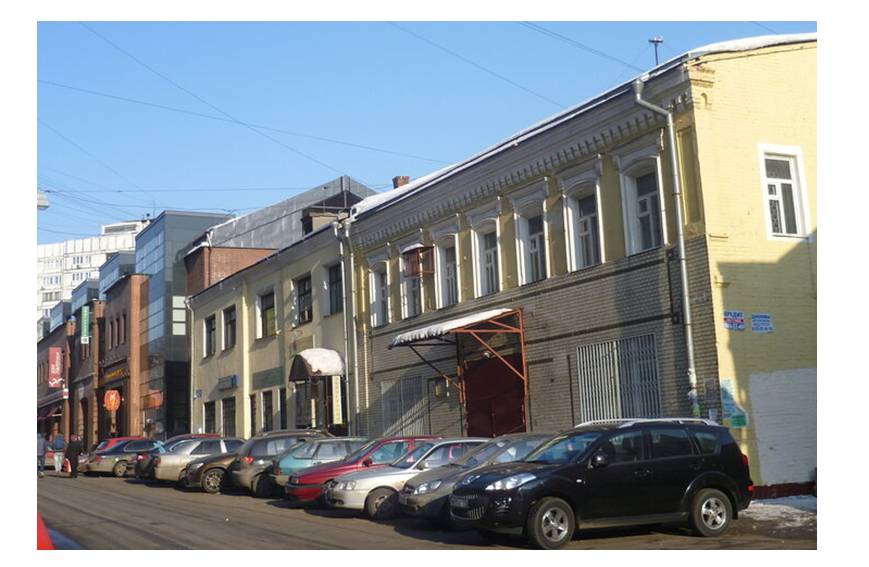
The archive belongs not only to the distant past but to later gatherings as well.
Old friendships kept the Spartak memory alive after the club itself closed.
The page should show that Spartak remained a circle, not just a historical footnote.
For some people these images are the only accessible visual memory of the old club.
Names matter on this page because the archive is also a record of people.
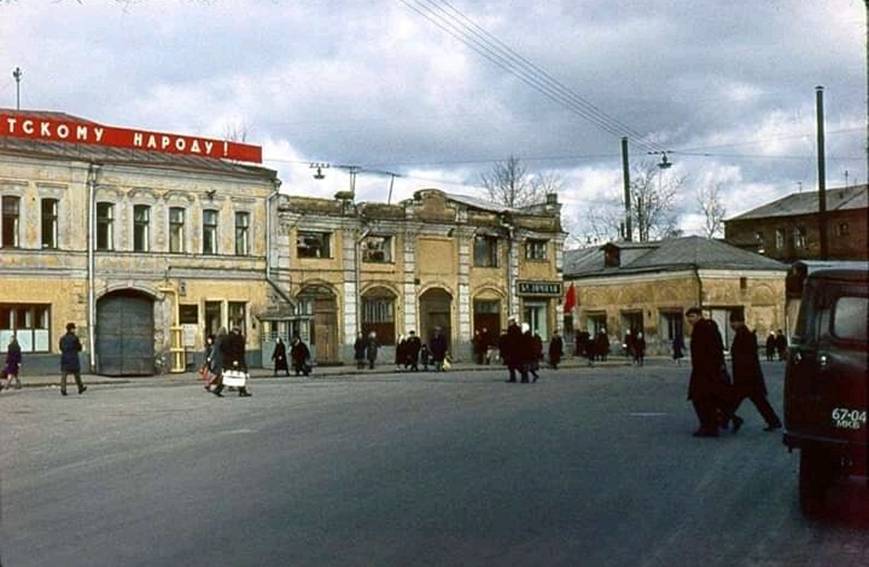
The church images and the people who shaped Spartak belong together on the page.
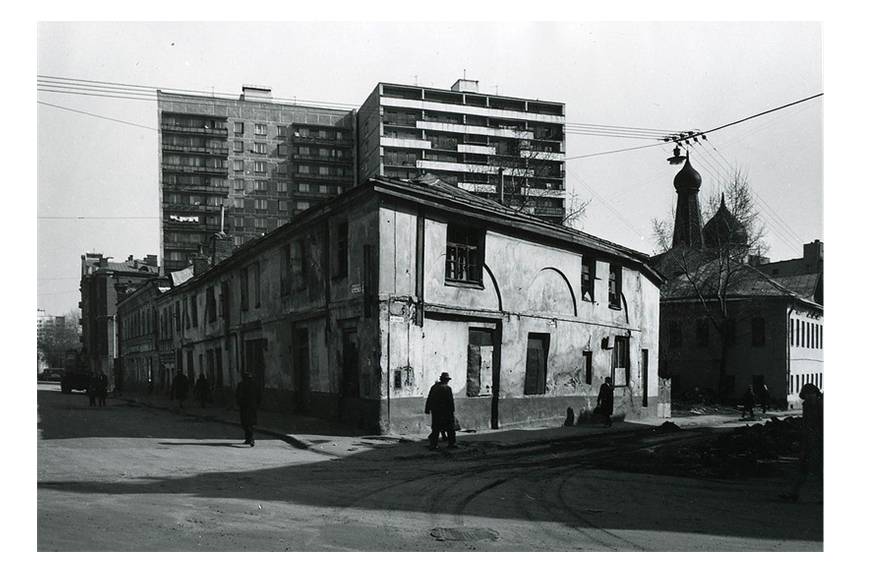
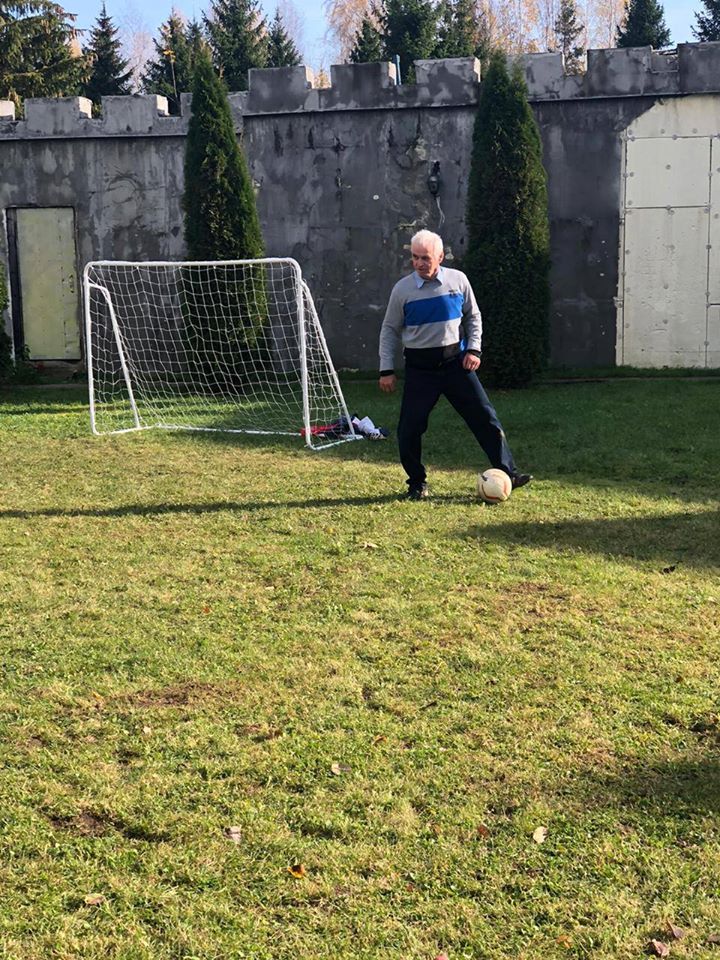
Spartak memory is not only about the past. It also lives through later meetings, football, and conversation.
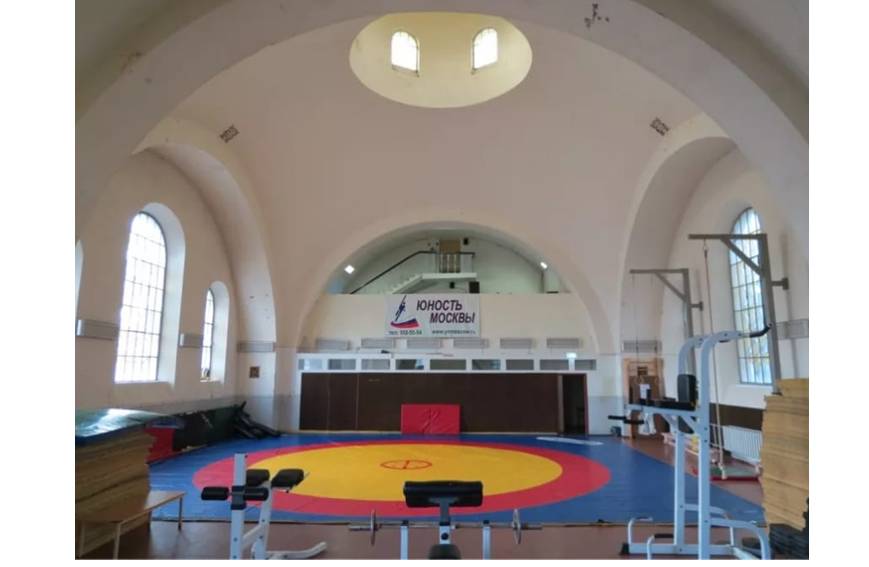
The visual archive should move slowly through people, place, and reunion life.
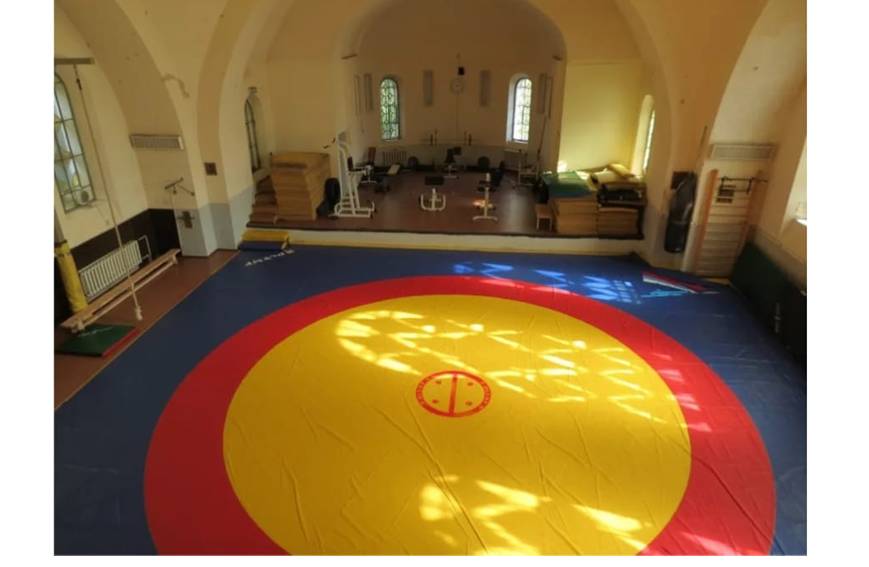
This material belongs in a slider because one image alone cannot carry the whole atmosphere.
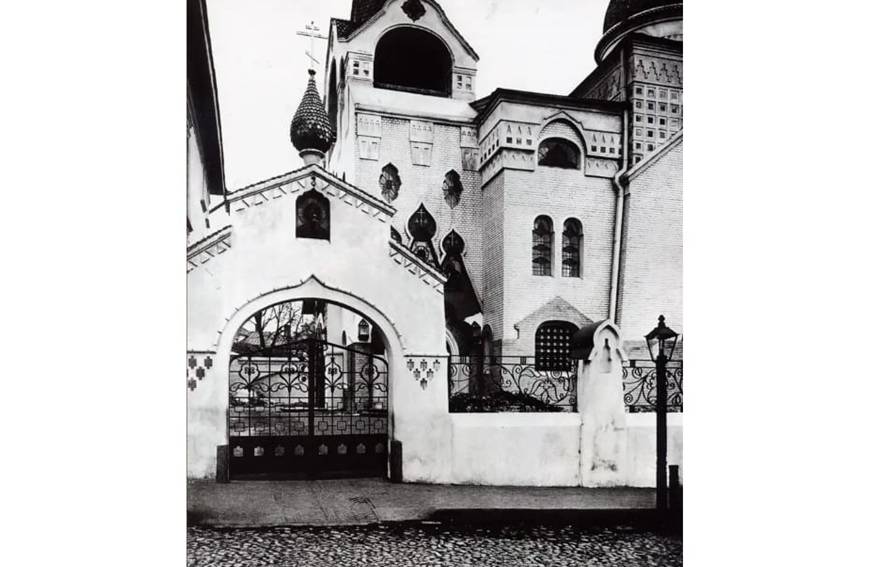
Spartak survived through later contact, visits, and memory work.
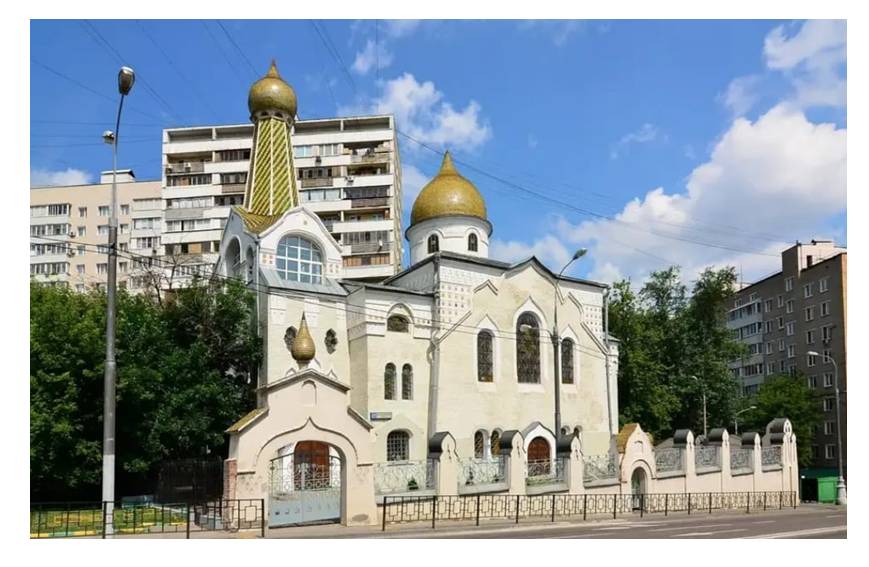
The club’s story is carried by both architecture and the people who came from it.
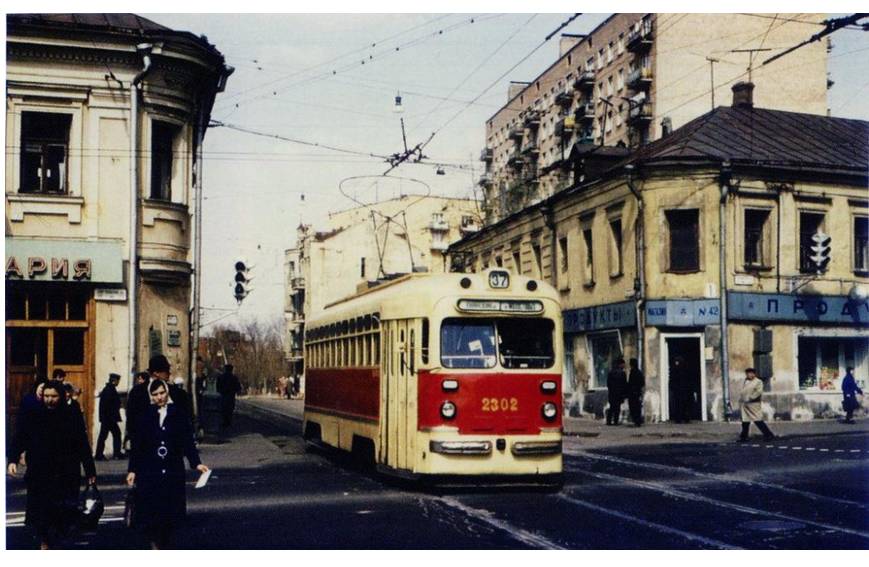
The archive should feel lived in, not cleaned into abstraction.
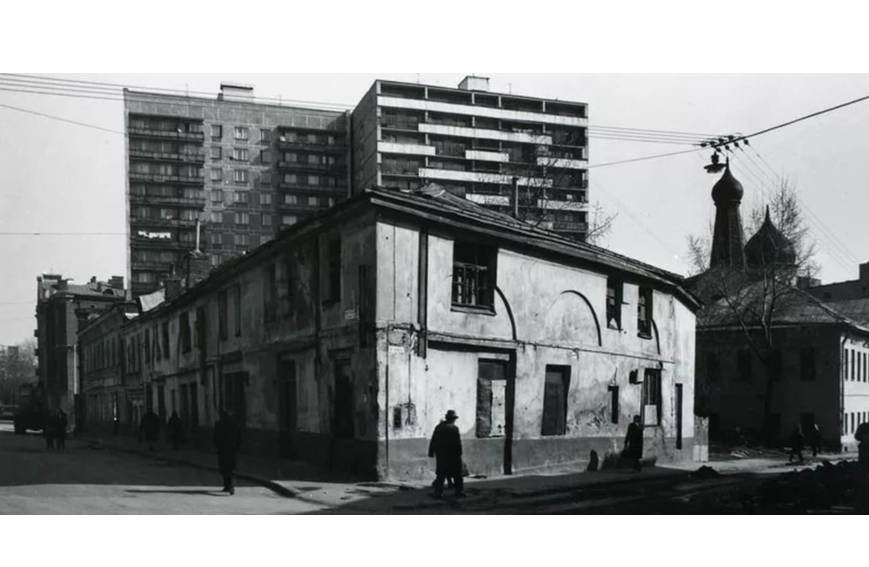
Even after closure, Spartak Baumanskaia continues in names, stories, and images.
Why It Matters
The club lived in a distinctive old church space on Baumanskaia, and that setting remains part of how people remember it.
Coaches, champions, old friends, and later reunion participants all belong to the same Spartak memory field.
Spartak was remembered for long hours of technique study and for a style that relied on skill rather than brute force.
Technique Videos
Meetings
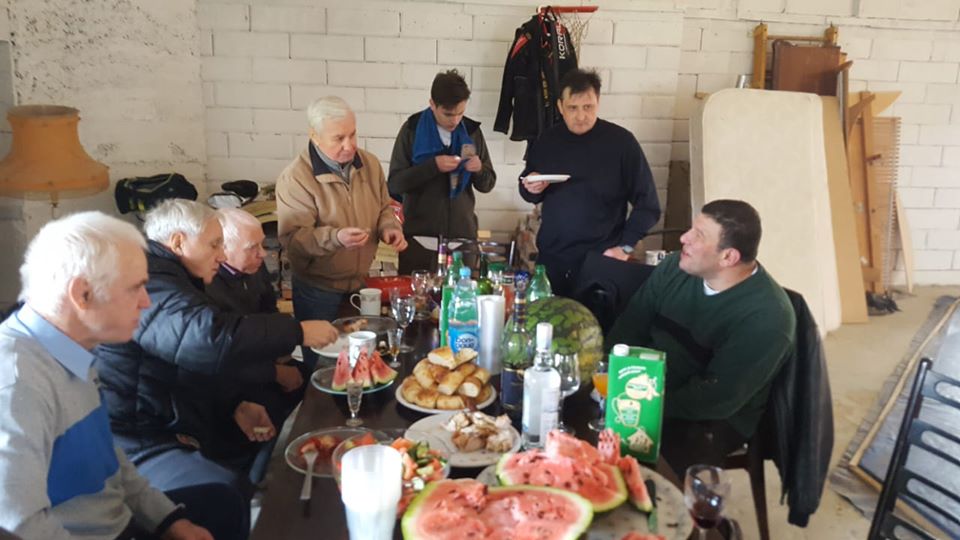
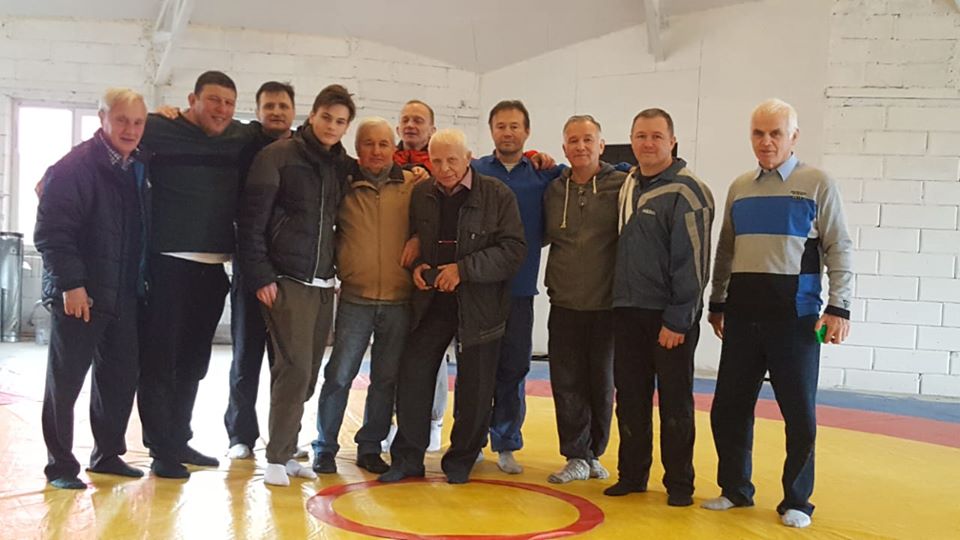
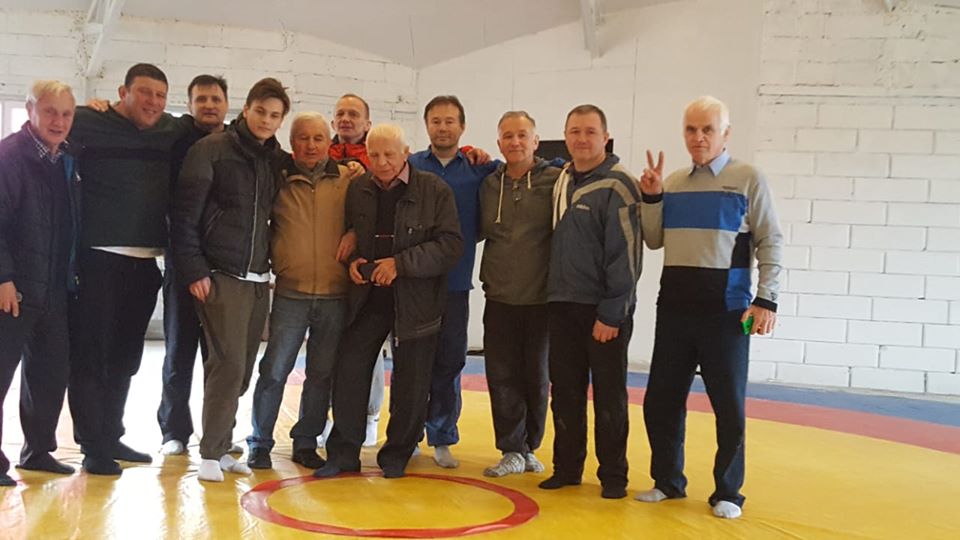
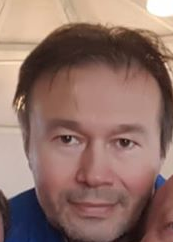
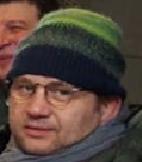
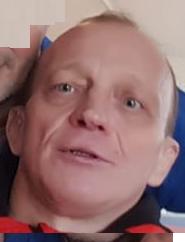
One of the reunion moments that keeps the page human rather than abstract.
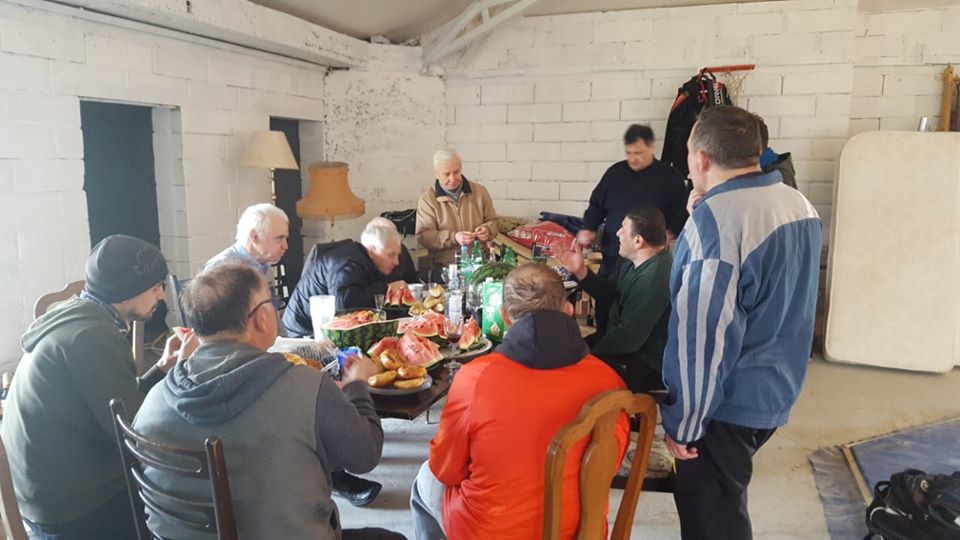
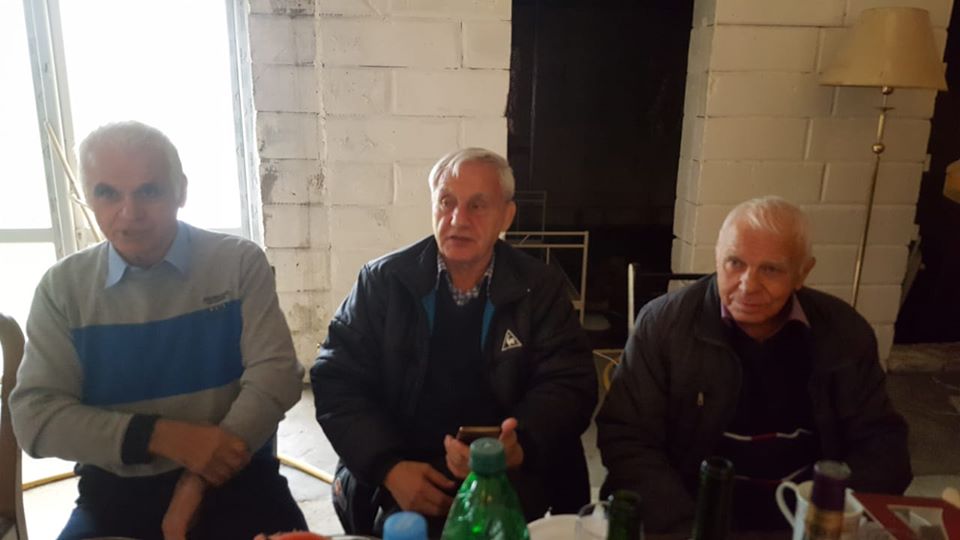
The old club continues through conversation as much as through wrestling clips.
Coach presence remains central in the visual memory of Spartak.
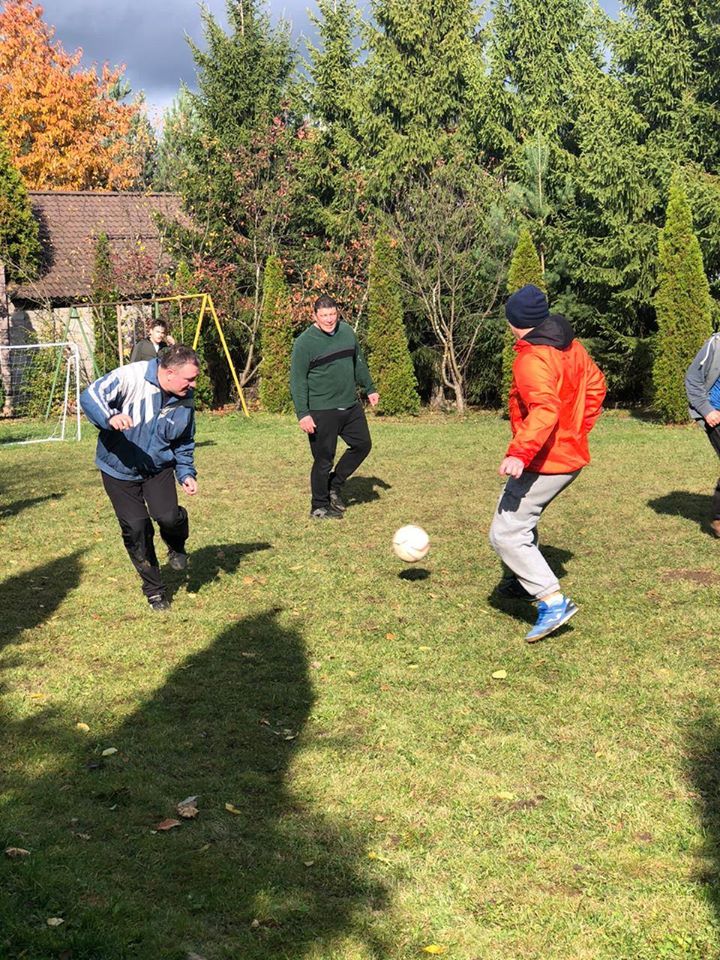
The old Spartak code was wider than just the mat.
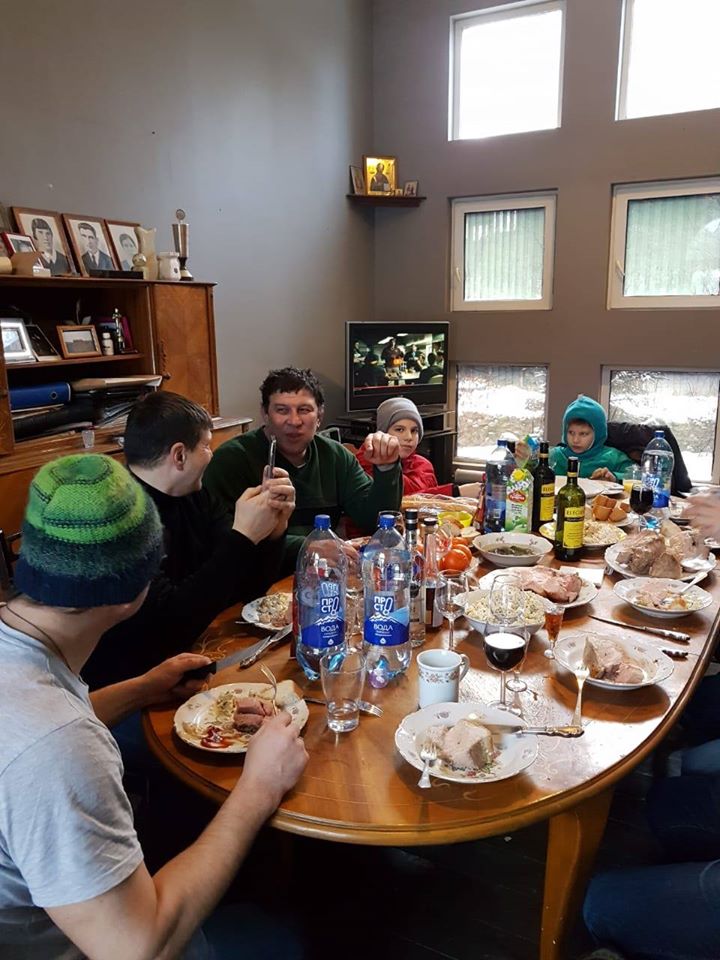
A long tradition of food, company, and staying together.
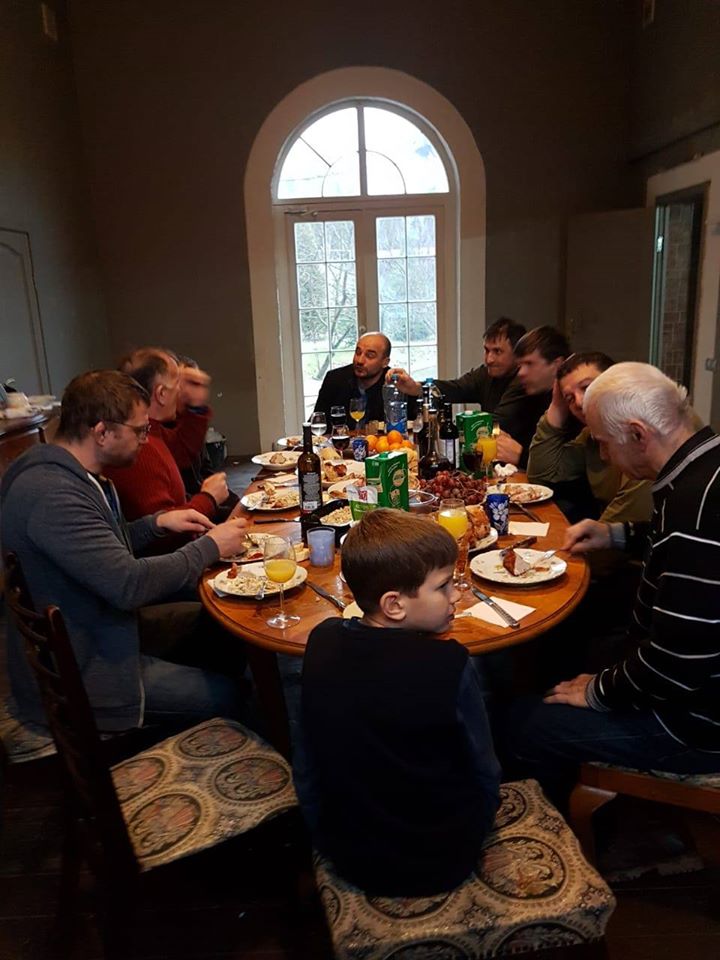
The reunion gallery matters because for many people this is the only surviving shared memory archive.
Archive Images
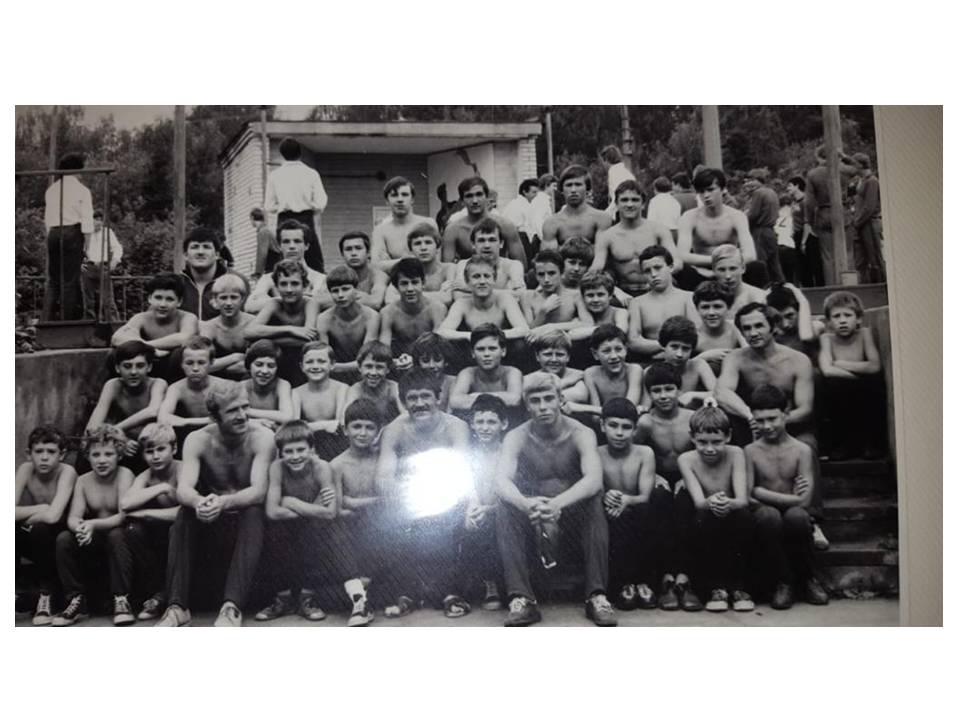
One of the preserved archive frames from the original Spartak page.
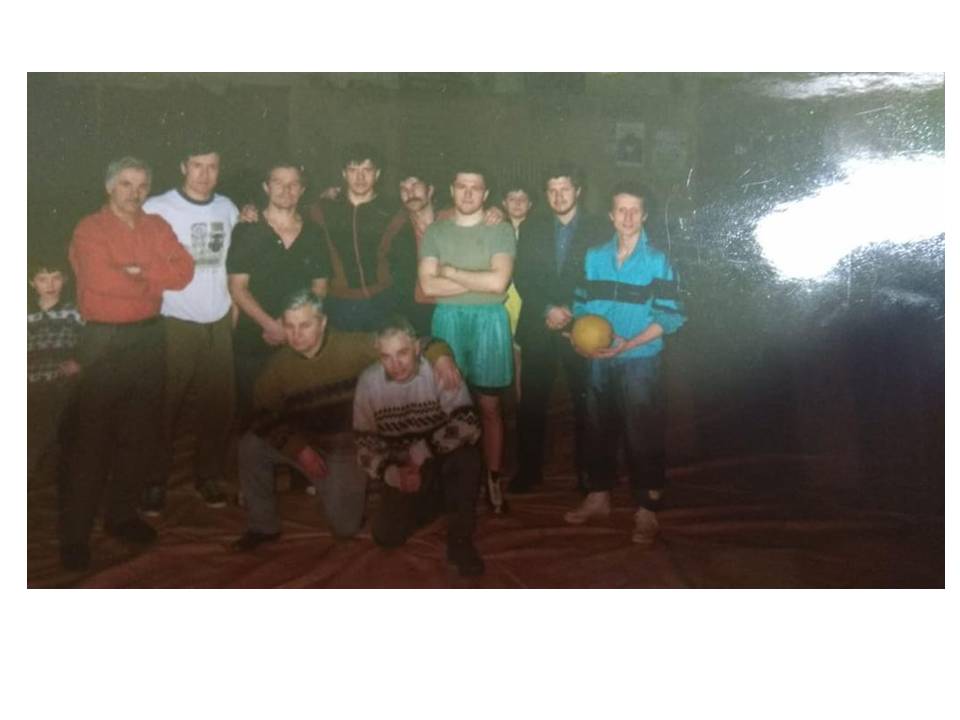
Part of the deeper image archive kept for former Spartak people.
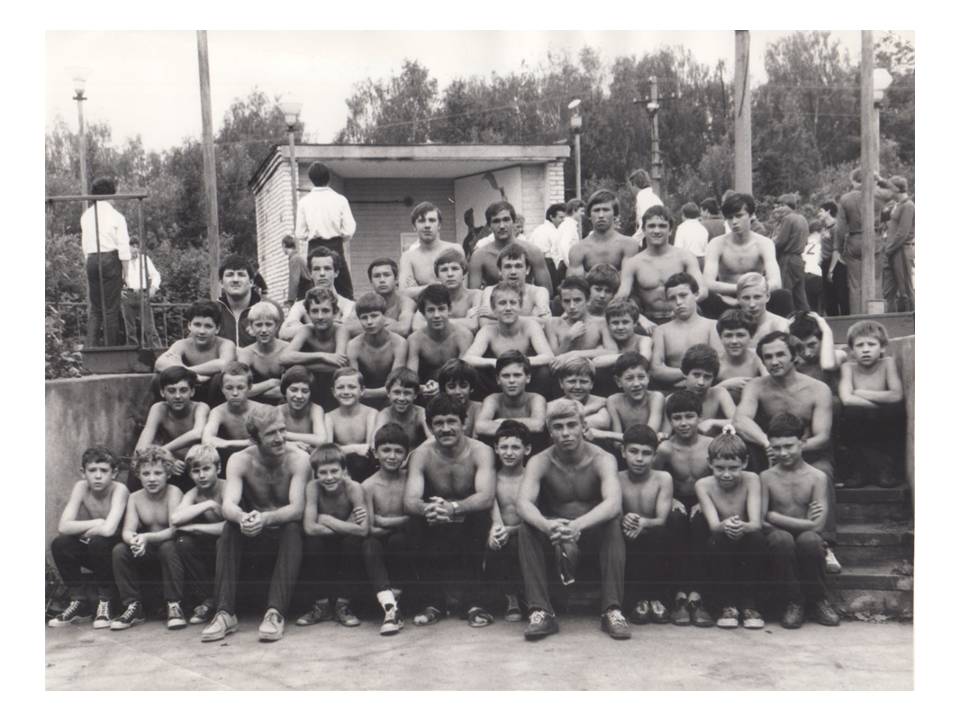
Archive material that should stay visible instead of being lost inside the old layout.
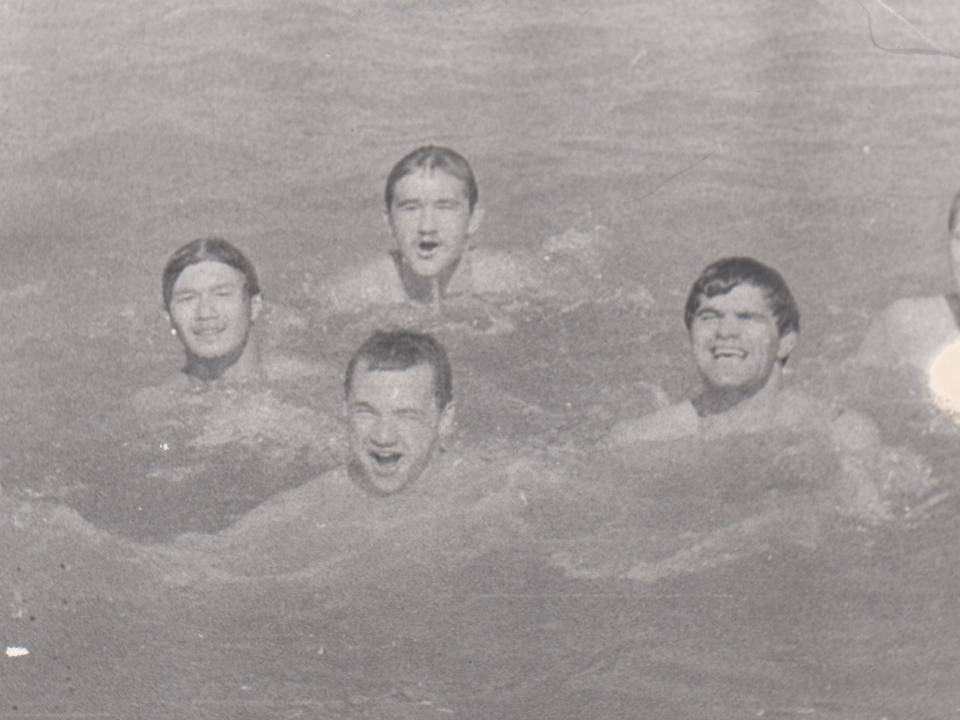
These images belong to the archive layer rather than the recent meetings section.
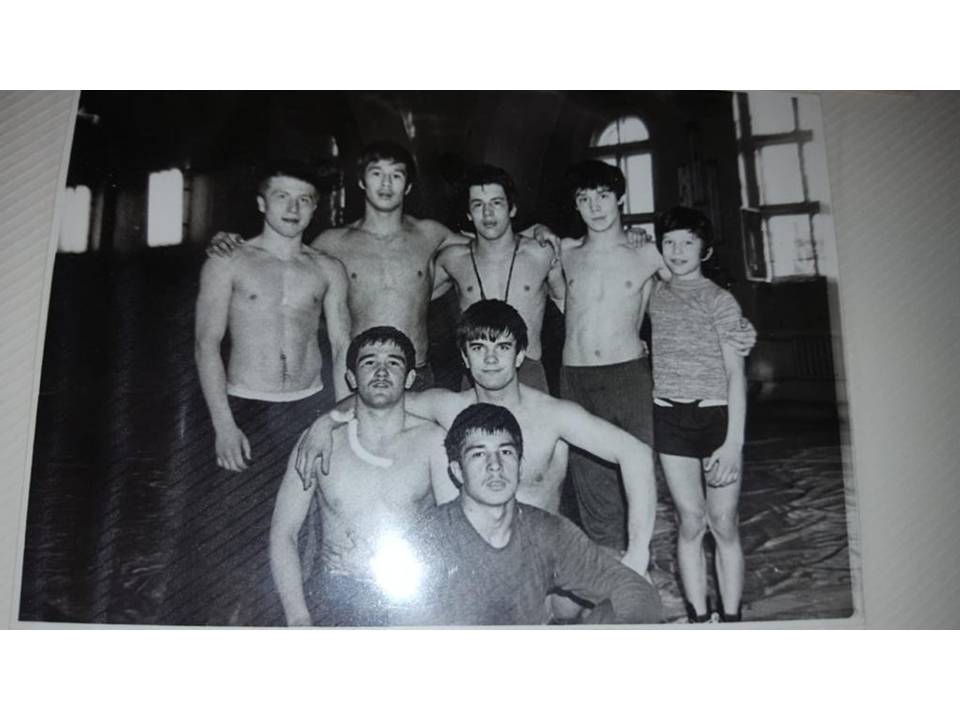
A separate archive band keeps the page faithful to the original structure.
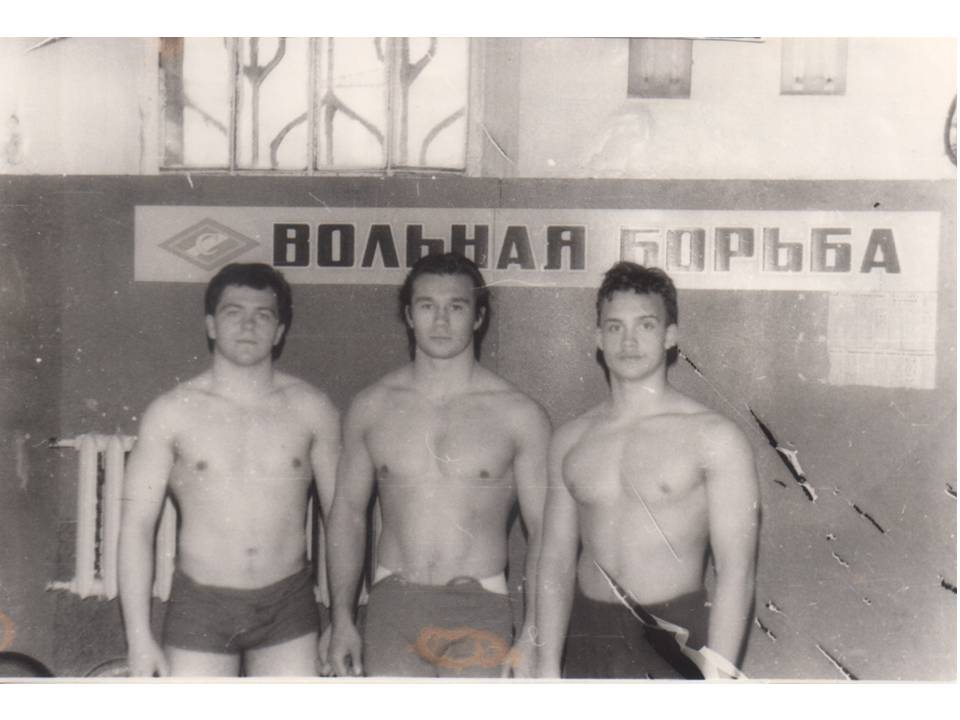
Older photographs remain visible as memory infrastructure, not decorative leftovers.
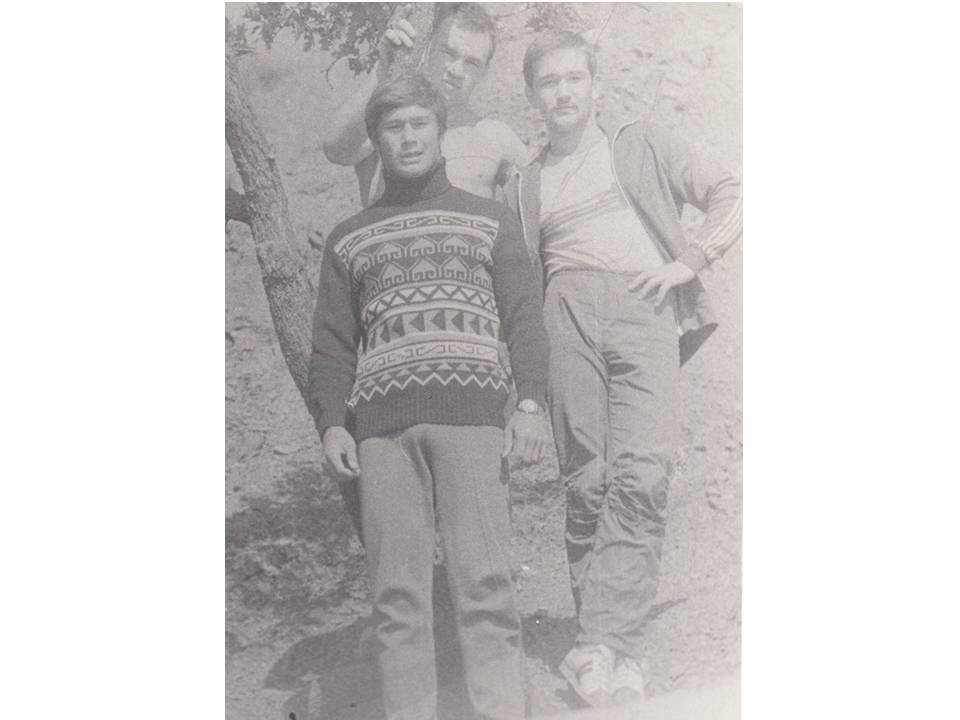
Archive photos help carry forward names, faces, and club atmosphere.
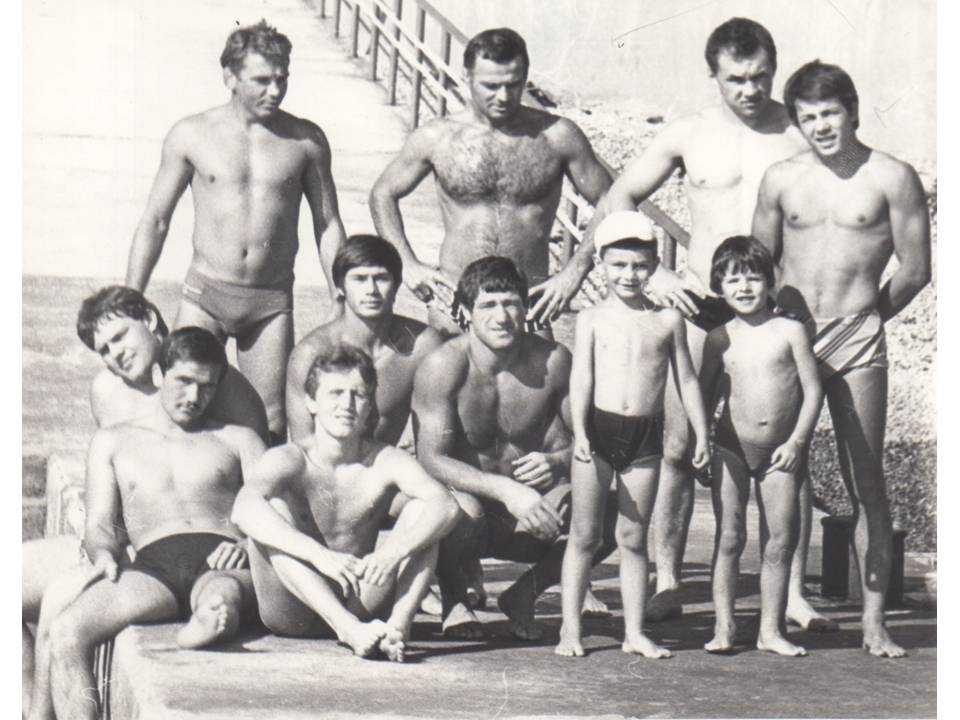
For many people, these preserved images are part of the only shared visual record.
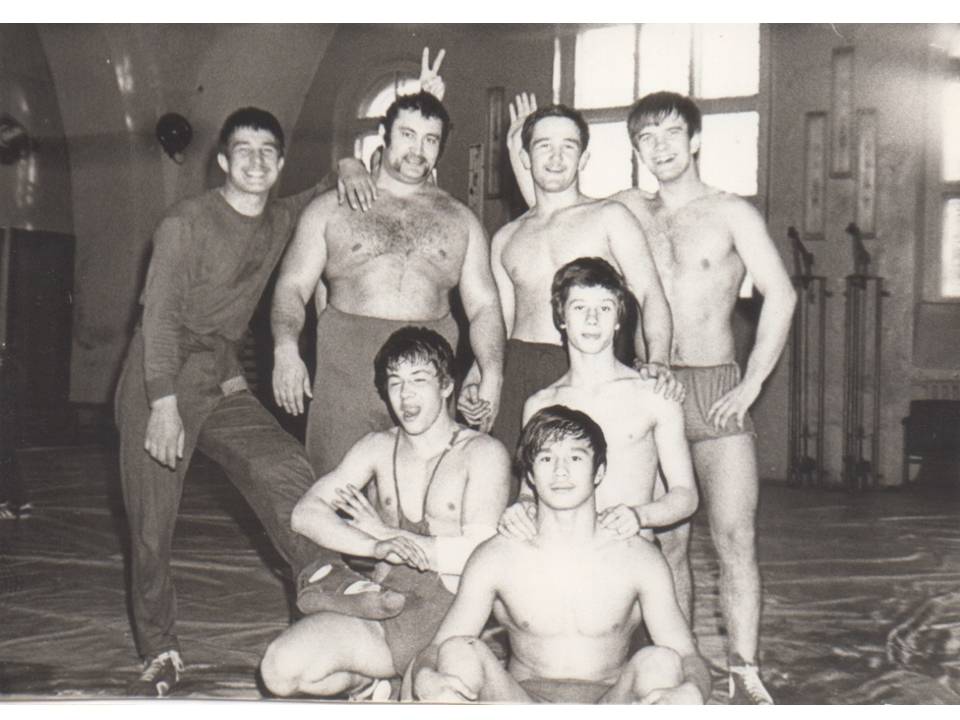
The archive section should feel substantial enough to honor the old page.
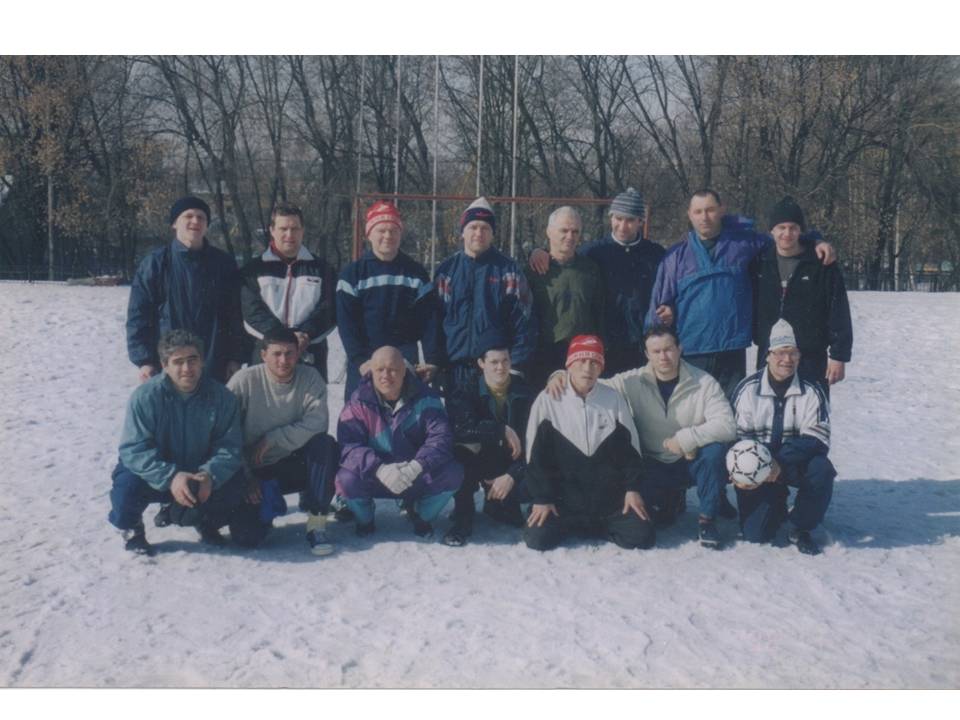
These are older images, distinct from the newer meeting photographs above.
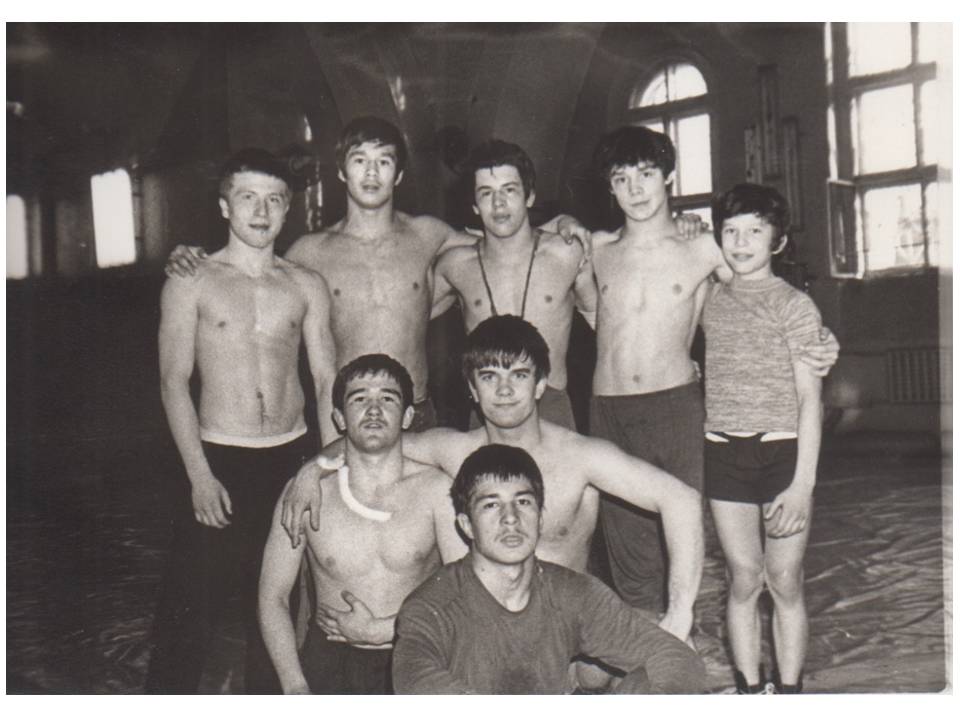
The separation between meetings and archive images makes the page easier to read.

These are legacy archive frames preserved from the original Spartak source page.
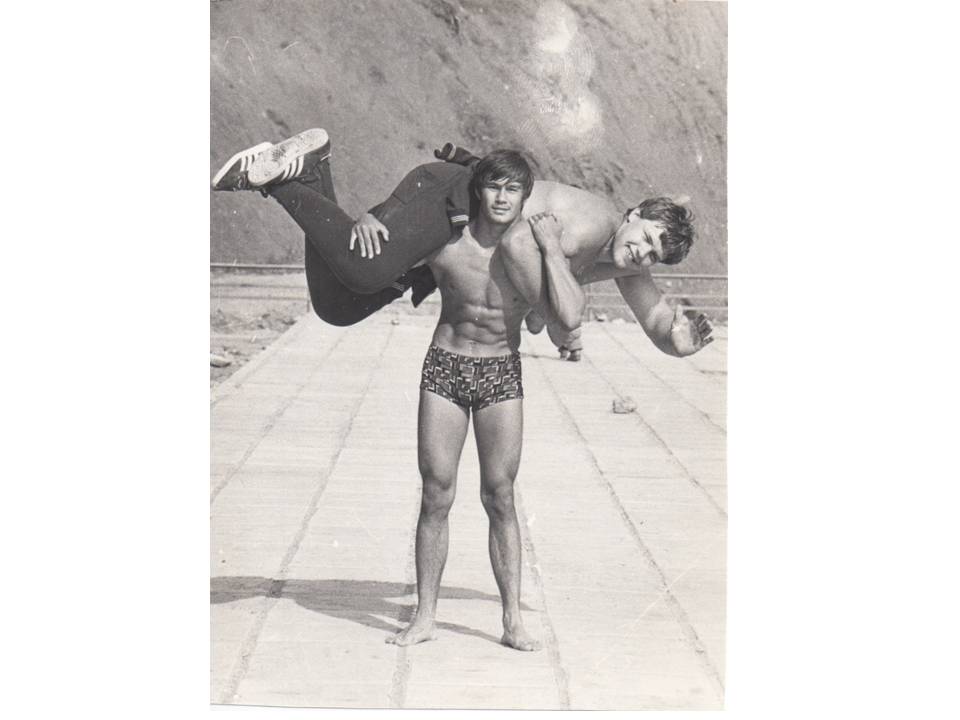
The archive band lets the page hold more memory without cluttering the top sections.
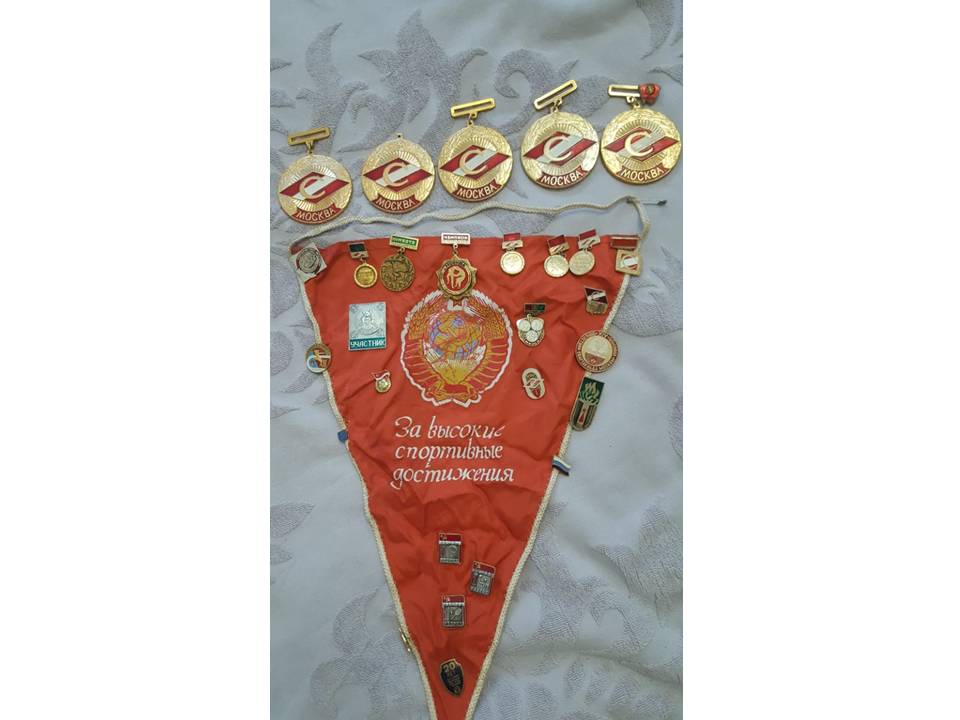
A later pass can add more exact captions where names or event details are known.
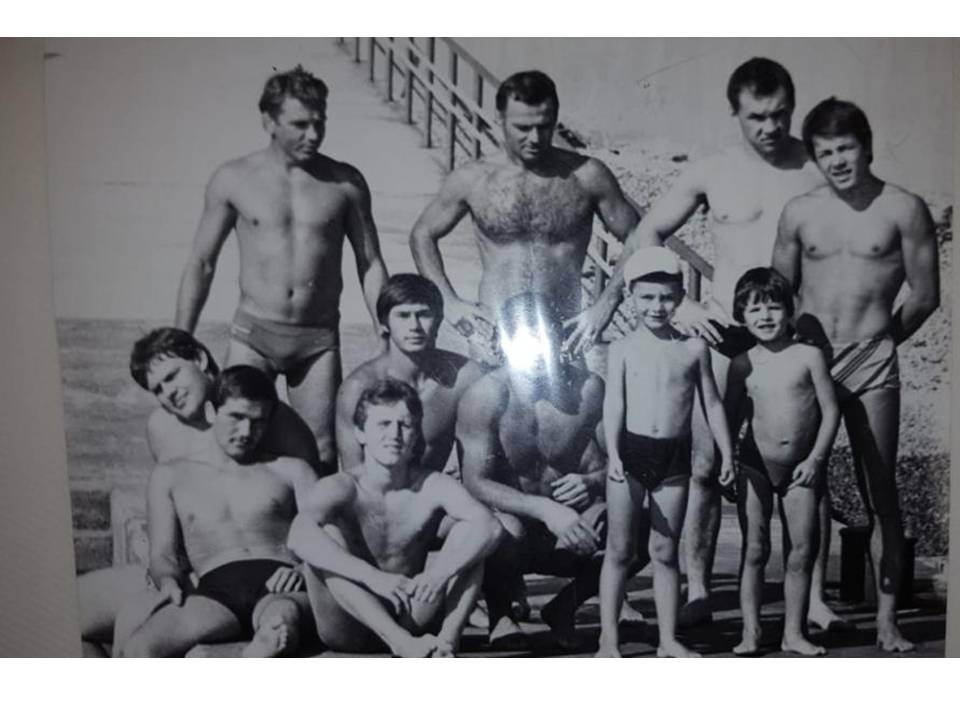
The priority for now is preserving visibility and structure.
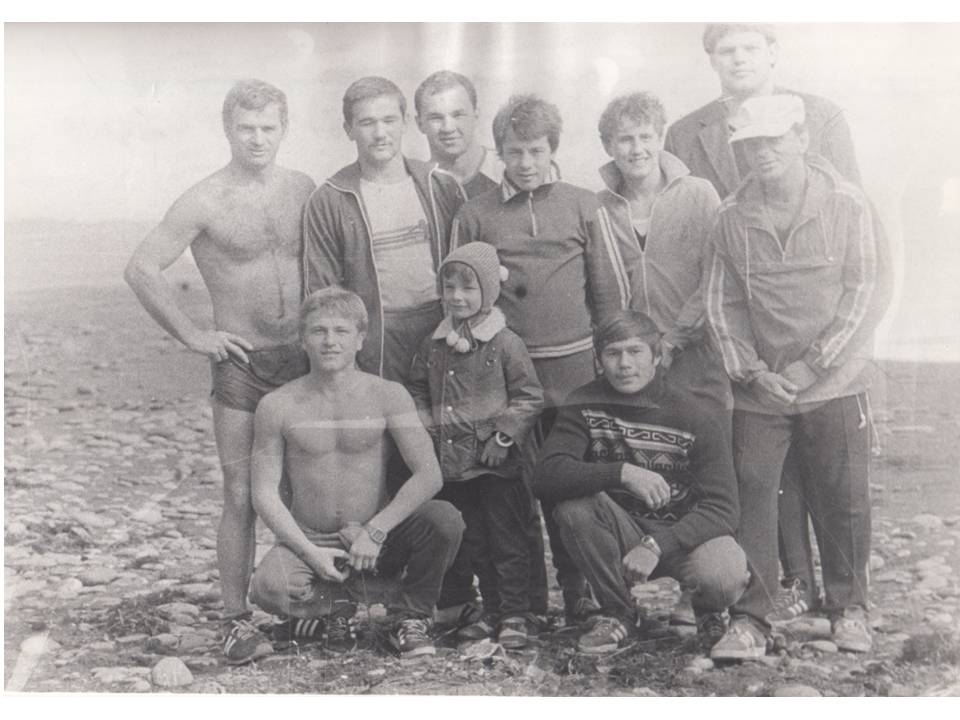
The older archive sits naturally at the bottom of the page as a memory reservoir.
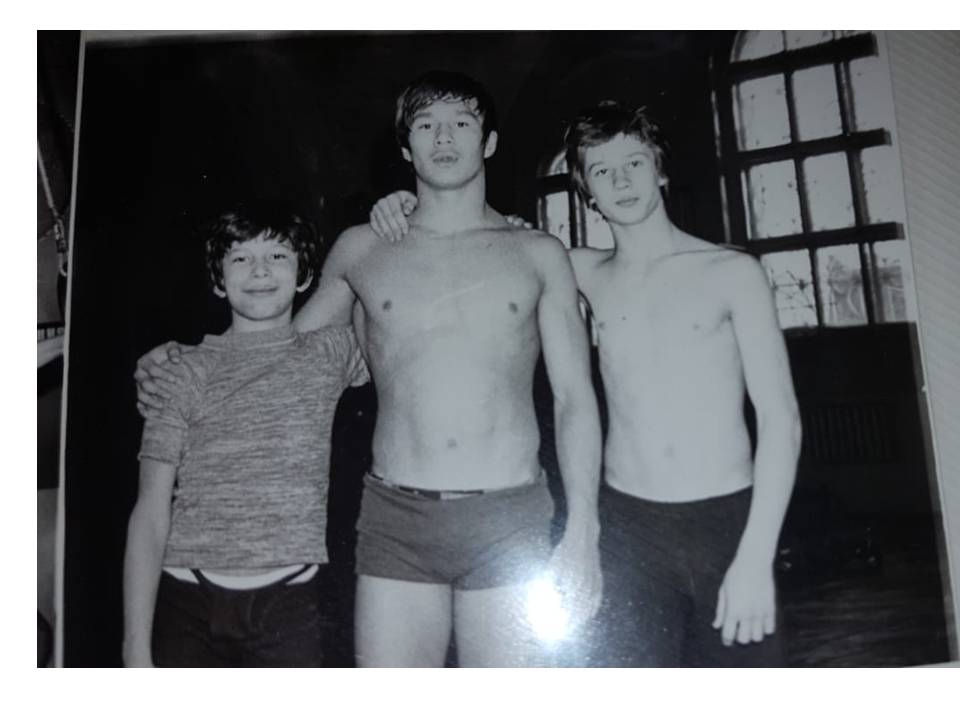
These images should remain reachable for former Spartak teammates and friends.
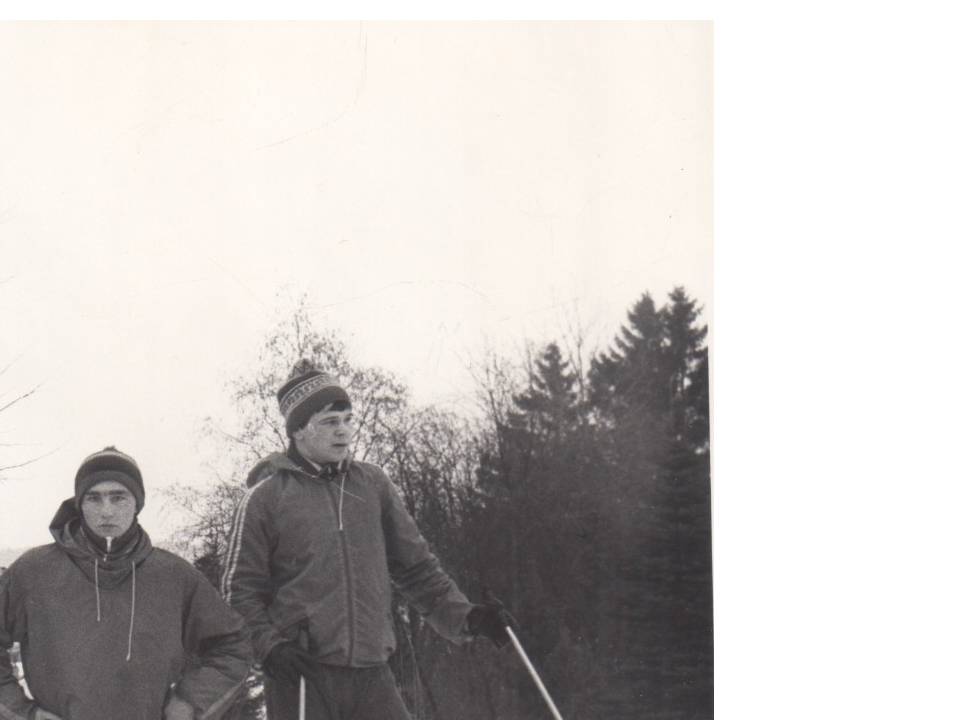
The page is now preserving the archive as a real section rather than a leftover block.
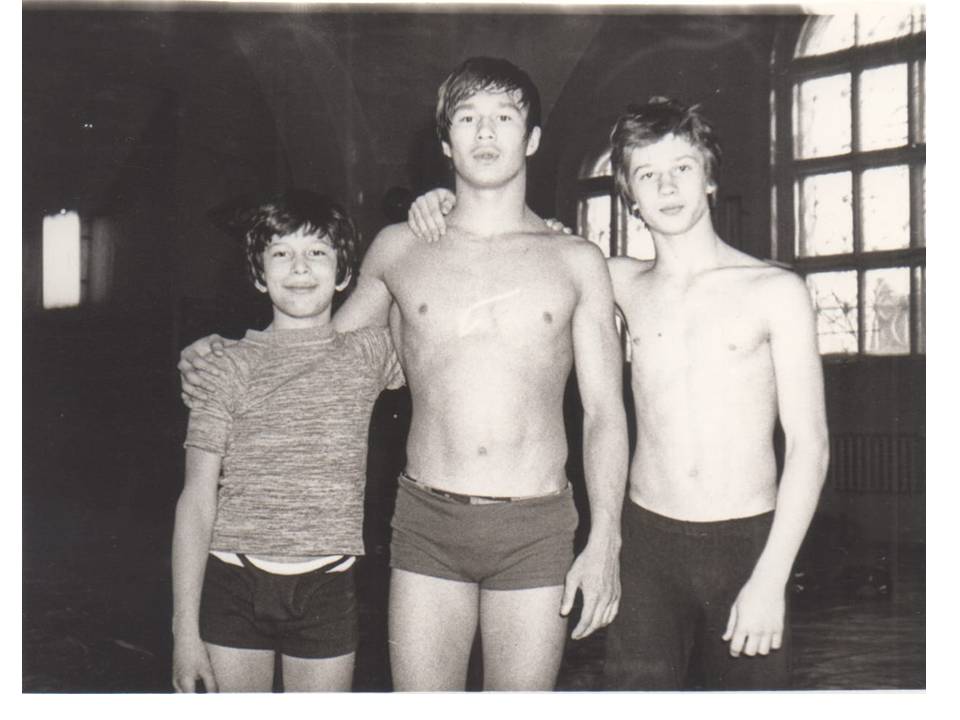
Archive continuity matters because the images carry people and atmosphere together.
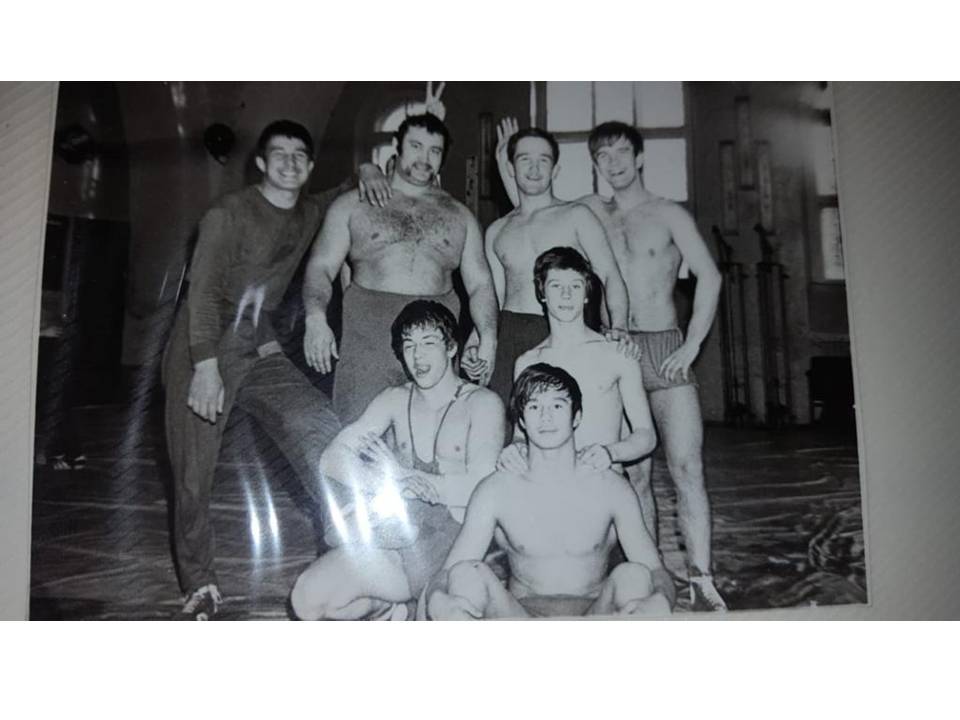
This bottom section restores the archive-image layer from the original Spartak page.
History
In 1954, the first Spartak freestyle wrestling club in Moscow was opened. Its early coaches included Evgeny Dorodnov and, after him, Zaya Benjaminov, Gennady Titov, Thomas Barba, Hamza Abubyakirov, Hanen Fomin, Mikhail Gritsuk, Alimbek Tsaraev, Mikhail Maximchenko, Alexey Niazbaev, Petr Pashkov, and Shafula Nevretdinov.
Among the first notable Spartak wrestlers were Vladimir Arkhipov, a 1958 Moscow champion, Levin Felika, and Yuri Obukhovsky, a medalist at the USSR championship and champion of the All-Union Spartak Council. Another important pupil, Vladimir Meshcheryakov, became champion of the USSR Armed Forces and defeated Olympic champion Mirian Tsalkalamanidze in the final. Mikhail Gerasimov, one of the strongest heavyweights in the USSR and a legendary circus wrestler, also joined Spartak on Baumanskaia after his amateur career.
Spartak wrestlers were often dominant in Moscow. Among them was heavyweight Evgeniy Nanyakov, a ten-time Moscow champion, All-Russia Spartak champion, winner of many international tournaments, and champion of Russia in sambo. Other major Spartak names included Nugzar Zhuruli, a three-time USSR champion, Felix Akoev, a two-time USSR champion, and USSR champions such as Viktor Grunichev, Ruslan Elkanov, Tamur Sokaev, Mikhail Maksimchenko, Mikhail Gagiev, Mikhail Gerasimov, and Vasily Savelyev.
The club also produced strong international results. Rushan Ingeldiev became a European champion and multiple-time medalist at the USSR championship. Anatoly Prokopchuk, world champion in 1978, also began at Spartak before moving to Dynamo. The Vorobiev brothers, Vladimir and Yury, were also Spartak pupils before transferring with coach Barba. Yury later placed second at the 1982 World Championship, won a European title, and took junior world gold in 1979.
The central star of Spartak was Sanasar Oganisian: Olympic champion in 1980, world champion in 1981, European champion in 1981 and 1986, and USSR champion in 1981 and 1989. His younger brother, Ovanes Oganisian, competed at the national level and later moved to the United States, where he wrestled for one season at the University of Nebraska. Their brother Gor Chakhal (Oganisian), later known as an artist, also wrestled for the Spartak youth team.
In the 1980s and 1990s, important Spartak wrestlers included Valery Mashkov, Andrey Korchuganov, Alexey Yakovlev, Mikhail Kosov, Dmitry Klyauzov, Andrey and Alexey Morkovin, Alexander Isaev, Alexey Bespalov, Vladimir Ruban, Nikolay Slobodchikov, Sergei Grigoriev, Alexey Alexeev, and many others. Even outside wrestling, the club’s reach was broad: conductor Valery Gergiev and his brothers also wrestled there.
Spartak style was remembered for extraordinary technical ability, built through countless hours of study. The club’s wrestlers tried to avoid relying on pure strength. At times it could seem that showing beautiful technique mattered almost as much as winning, though of course they competed seriously.
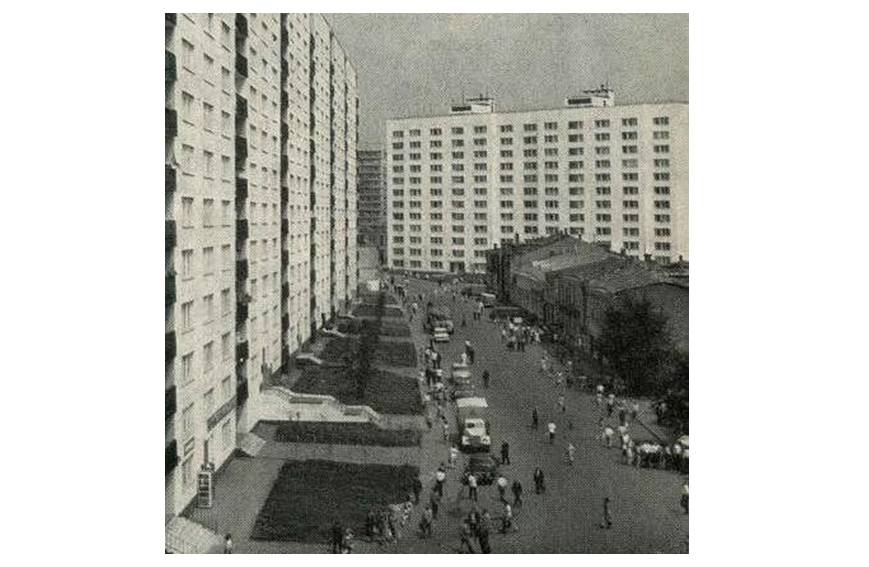
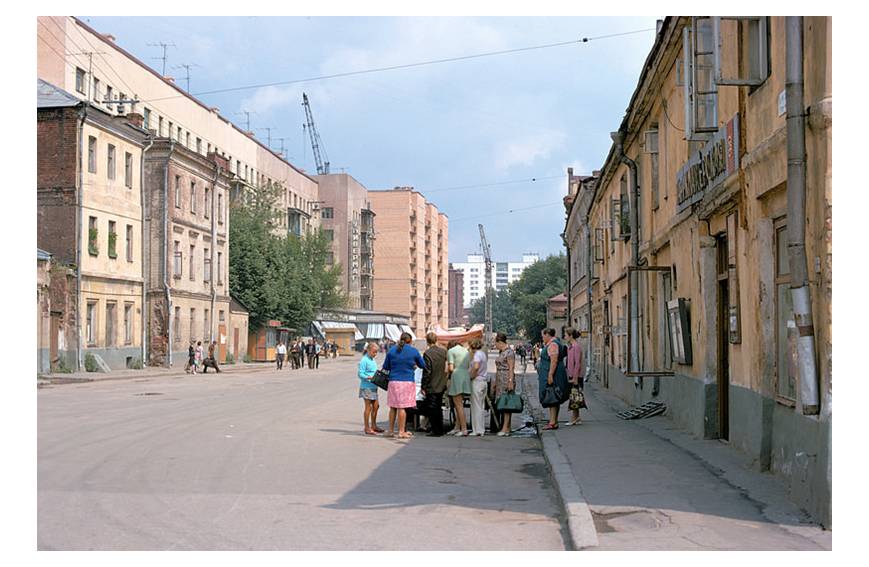
The club itself trained inside an old Russian Old Believer church that had been closed for worship during Soviet times. Because a 12 by 12 meter wrestling mat is hard to fit inside a normal gym, the church dome gave the club an unusual and ideal spatial setting. Around 2017, the building was returned to the Old Believer community by decree, and the club was closed. That church remains one of the deepest visual memories tied to Spartak Baumanskaia.